Progress status
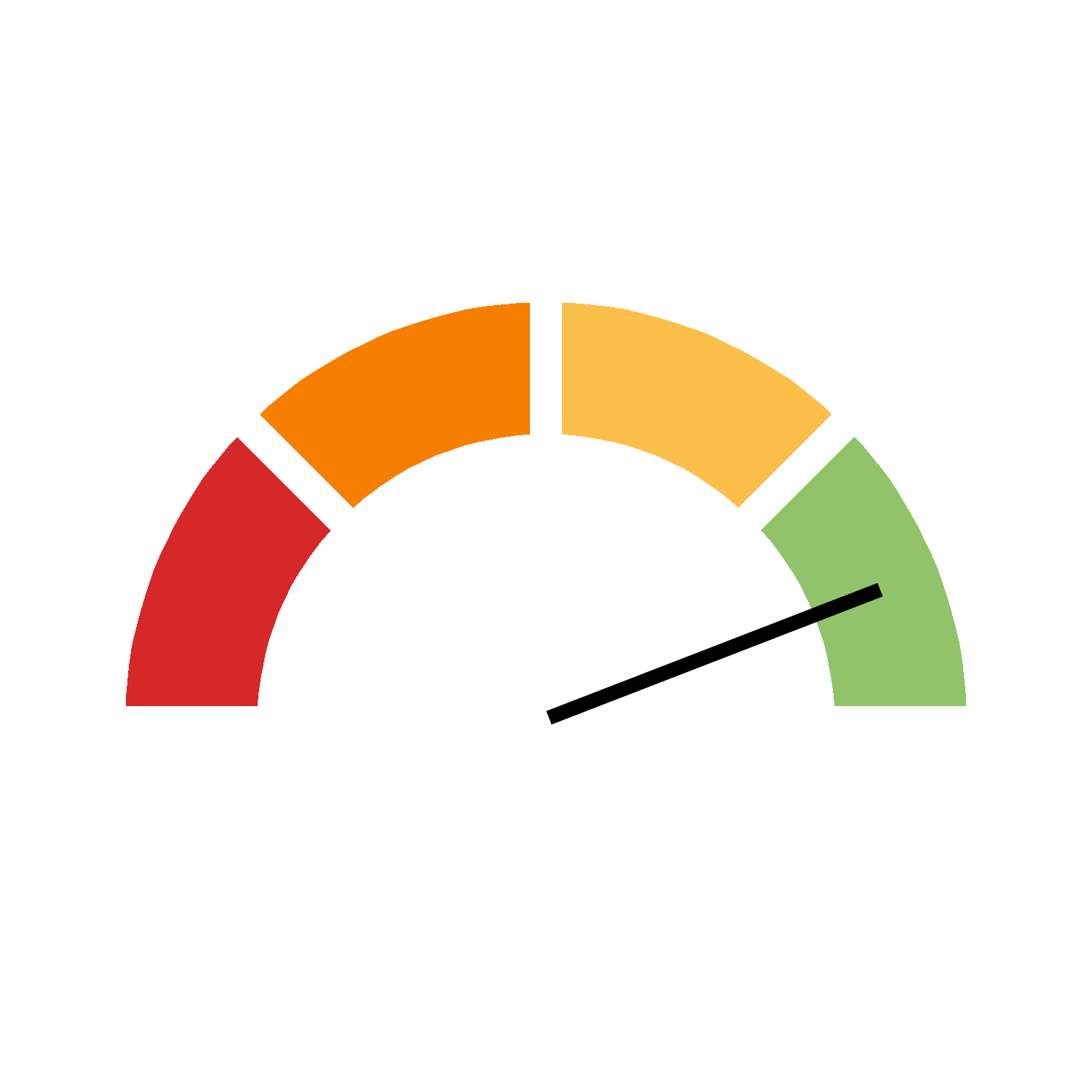
Substantial progress
Download source data (.csv)
Download source data for disaggregations (.csv)
No headline data available
| Indicator description |
The indicator measures the proportion of women in national parliaments and national governments. The national parliament is the national legislative assembly and the indicator refers to both chambers (lower house and an upper house, where relevant). The count of members of a parliament includes the president/speaker/leader of the parliament. |
|---|---|
| Data source and methodology |
Indicator is used to monitor progress towards SDG 5 on gender equality and SDG 8 on decent work and economic growth, which are embedded in the European Commission’s Priorities under the ‘Supporting people, strenghtening our societes and our social model’. Indicator can be considered as similar to global SDG indicator 5.5.1 “Proportion of seats held by women in national parliaments and local governments”. |
| Coverage and comparability |
The EU Gender Equality Strategy commits to achieving a Union of Equality and presents policy objectives and actions to make significant progress by 2025 towards a gender-equal Europe, where women and men, girls and boys, are free to pursue their chosen path in life and have equal opportunities to thrive. The key objectives are ending gender-based violence; challenging gender stereotypes; closing gender gaps in the labour market; achieving equal participation across different sectors of the economy; addressing the gender pay and pension gaps; closing the gender care gap and achieving gender balance in decision-making and in politics. |
| EU context and objectives |
The long-term objective for this indicator is a value of 50. |
Source 1
| Organisation |
EIGE (GSD) |
|---|