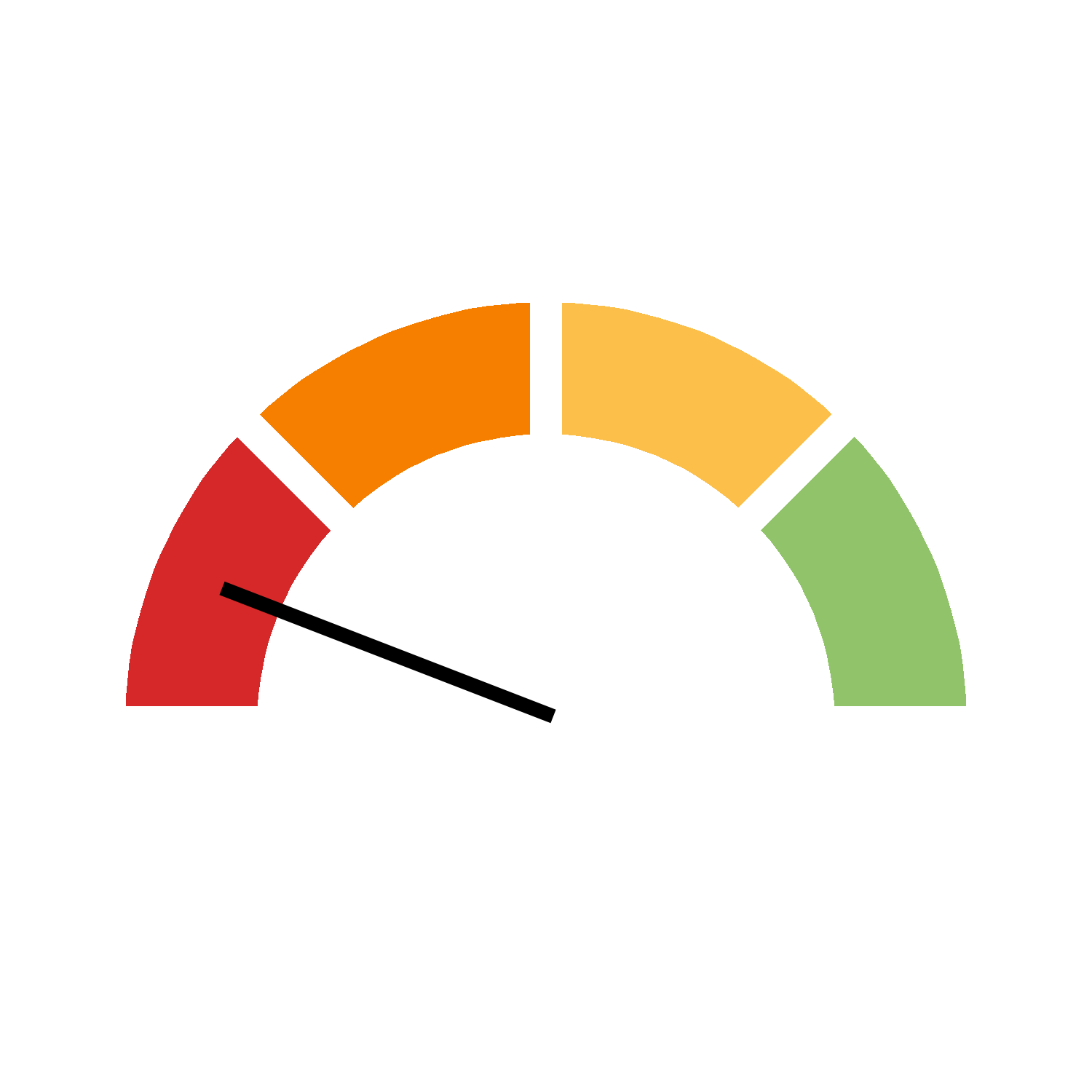
Progress status
Deterioration
Download source data (.csv)
Download source data for disaggregations (.csv)
No headline data available
| Indicator description |
The water exploitation index (WEI+) provides a measure of total water consumption as a percentage of the renewable freshwater resources available for a given territory and period. It quantifies how much water is abstracted and how much water is returned to the environment by economic sectors before or after use. The difference between water abstractions and water returns is regarded as ‘water consumption’. In the absence of Europe-wide agreed formal targets, values above 20 % are generally considered to be a sign of water scarcity, while values equal or greater than 40 % indicate situations of severe water scarcity, meaning the use of freshwater resources is unsustainable. |
|---|---|
| Data source and methodology |
Indicator is used to monitor progress towards SDG 6 on clean water and sanitation; which is embedded in the European Commission’s 2024-2029 Priorities under ‘Sustaining our quality of life: food security, water and nature’. The indicator is produced by the EEA based on data from the WISE SoE-Water quantity database (WISE 3) and other open sources (Eurostat, OECD) and including gap filling methods. Indicator can be considered as global SDG indicator 6.4.2 “Level of water stress: freshwater withdrawal as a proportion of available freshwater resources”. The Water Framework Directive is the main European legislation aiming to - among others - to promote sustainable water use based on a long-term protection of available water resources. The EU Biodiversity Strategy for 2030 supports the implementation of the Water Framework Directive’s objective by requiring Member States to restore freshwater ecosystems. |
| Coverage and comparability |
The 8th Environment Action Programme sets the environmental policy agenda for the years from 2021 to 2030 and explicitly mentions water-related issues in two of its six priority objectives. These two objectives are: (1) pursuing a zero-pollution ambition for a toxic free-environment, including for air, water and soil and protecting the health and well-being of citizens from environment-related risks and impacts; and (2) protecting, preserving and restoring biodiversity and enhancing natural capital, notably air, water, soil, and forest, freshwater, wetland and marine ecosystems. |
| EU context and objectives |
The long-term objective of indicator SDG_06_60 is to ensure the sustainable use of freshwater resources by reducing pressure on renewable water resources and keeping water consumption at levels that do not compromise their long-term sustainability. |
Source 1
| Organisation |
EEA |
|---|---|
| Link to data source | Link opens in a new window |