| Indicator description |
The indicator measures the share of renewable energy consumption in gross final energy consumption according to the Renewable Energy Directive. The gross final energy consumption is the energy used by end-consumers (final energy consumption) plus grid losses and self-consumption of power plants. |
|---|---|
| Data source and methodology |
Indicator is used to monitor progress towards SDG 7 on affordable and clean energy and SDG 13 on climate action; which are respectively embedded in the European Commission’s Priorities under ‘Supporting people, strengthening our societies and our social model’ and ‘Sustaining our quality of life: food security, water and nature’. The indicator can be considered as identical to global SDG indicator 7.2.1 “Renewable energy share in the total final energy consumption”. |
| Coverage and comparability |
The EU is implementing an interconnected set of measures “Fit for 55” to reach the new climate targets for 2030 and has followed a new strategic plan REPowerEU to reduce the EU dependency on energy imports. The European Green Deal envisages the decarbonisation of Europe’s energy systems in order to reach climate neutrality by 2050. For this purpose, the EU will turn towards a fully integrated, interconnected and digitalised renewable energy system, while at the same time ensuring security of supply at affordable prices. Moreover, EU cohesion policy funds (2021–2027) including the ‘Next Generation EU’ recovery plan provide funding for investments in renewable energies. The revised Renewable energy Directives set an ambitious EU target to be reached by 2030. |
| National context and objectives |
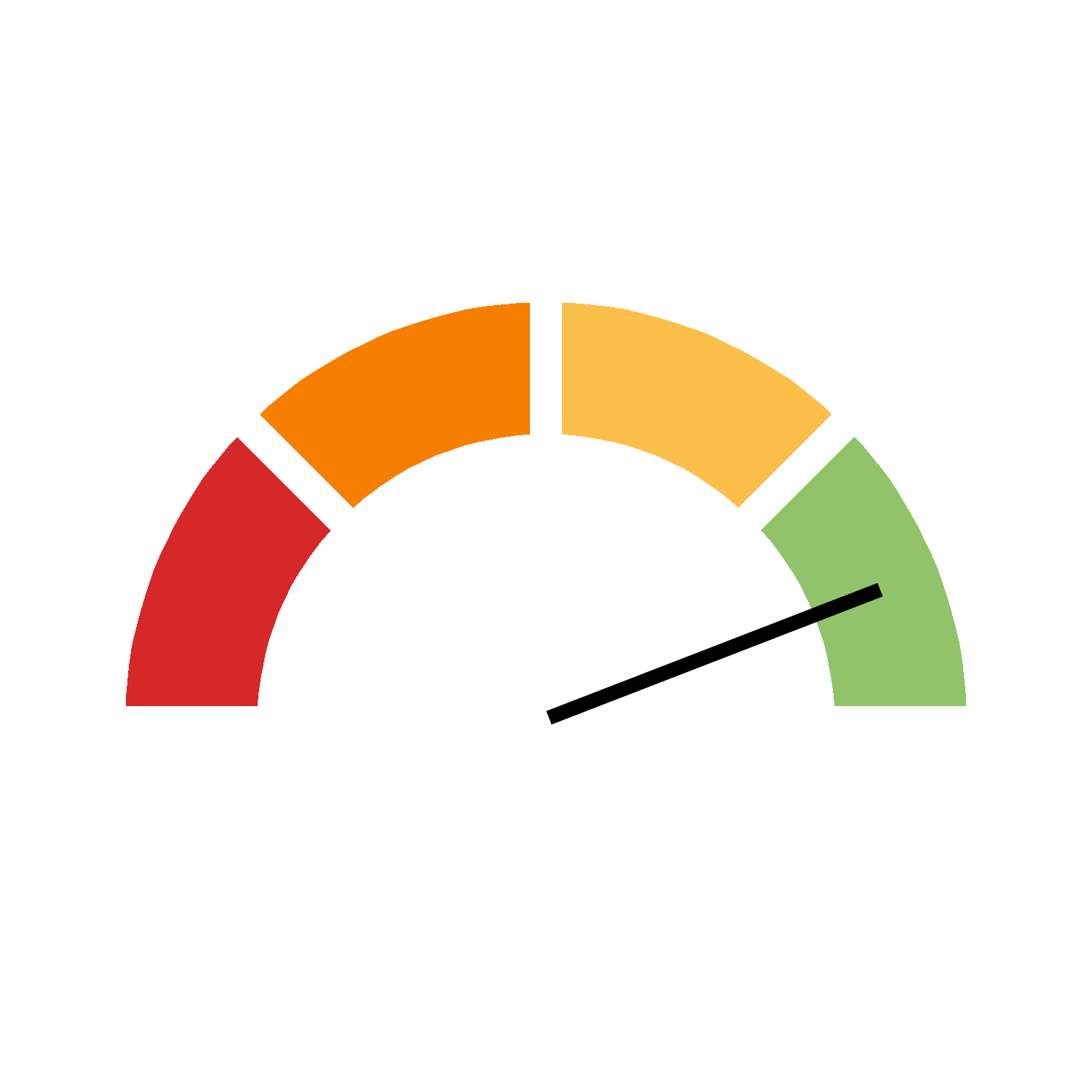
The long-term objective for Bosnia and Herzegovina under indicator SDG_07_40 is to increase the share of renewable energy in gross final energy consumption to at least 43.6% by 2030, in line with the binding target for Bosnia and Herzegovina established by the Ministerial Council of the Energy Community. |
Download source data for disaggregations (.csv)
No headline data available
| Indicator description |
The indicator measures the share of renewable energy consumption in gross final energy consumption according to the Renewable Energy Directive. The gross final energy consumption is the energy used by end-consumers (final energy consumption) plus grid losses and self-consumption of power plants. |
|---|---|
| Data source and methodology |
Indicator is used to monitor progress towards SDG 7 on affordable and clean energy and SDG 13 on climate action; which are respectively embedded in the European Commission’s Priorities under ‘Supporting people, strengthening our societies and our social model’ and ‘Sustaining our quality of life: food security, water and nature’. The indicator can be considered as identical to global SDG indicator 7.2.1 “Renewable energy share in the total final energy consumption”. |
| Coverage and comparability |
The EU is implementing an interconnected set of measures “Fit for 55” to reach the new climate targets for 2030 and has followed a new strategic plan REPowerEU to reduce the EU dependency on energy imports. The European Green Deal envisages the decarbonisation of Europe’s energy systems in order to reach climate neutrality by 2050. For this purpose, the EU will turn towards a fully integrated, interconnected and digitalised renewable energy system, while at the same time ensuring security of supply at affordable prices. Moreover, EU cohesion policy funds (2021–2027) including the ‘Next Generation EU’ recovery plan provide funding for investments in renewable energies. The revised Renewable energy Directives set an ambitious EU target to be reached by 2030. |
| EU context and objectives |
The long-term objective of the European Union under indicator SDG_07_40 is to increase the share of renewable energy in gross final energy consumption to at least 42.5% by 2030, in line with the revised Renewable Energy Directive. |
Source 1
| Organisation |
Eurostat, Energy balance |
|---|---|
| Link to data source | Link opens in a new window |