| Indicator description |
For Bosnia and Herzegovina, the indicator measures the total amount of waste generated per capita, expressed in kilograms per capita, in accordance with the methodological concept of the EU indicator. The total value covers both hazardous and non-hazardous waste. |
|---|---|
| Data source and methodology |
The indicator enables monitoring of the amount of waste generated in Bosnia and Herzegovina and assessment of its development in the context of sustainable consumption and production, efficient resource use and the development of a circular economy. |
| Coverage and comparability |
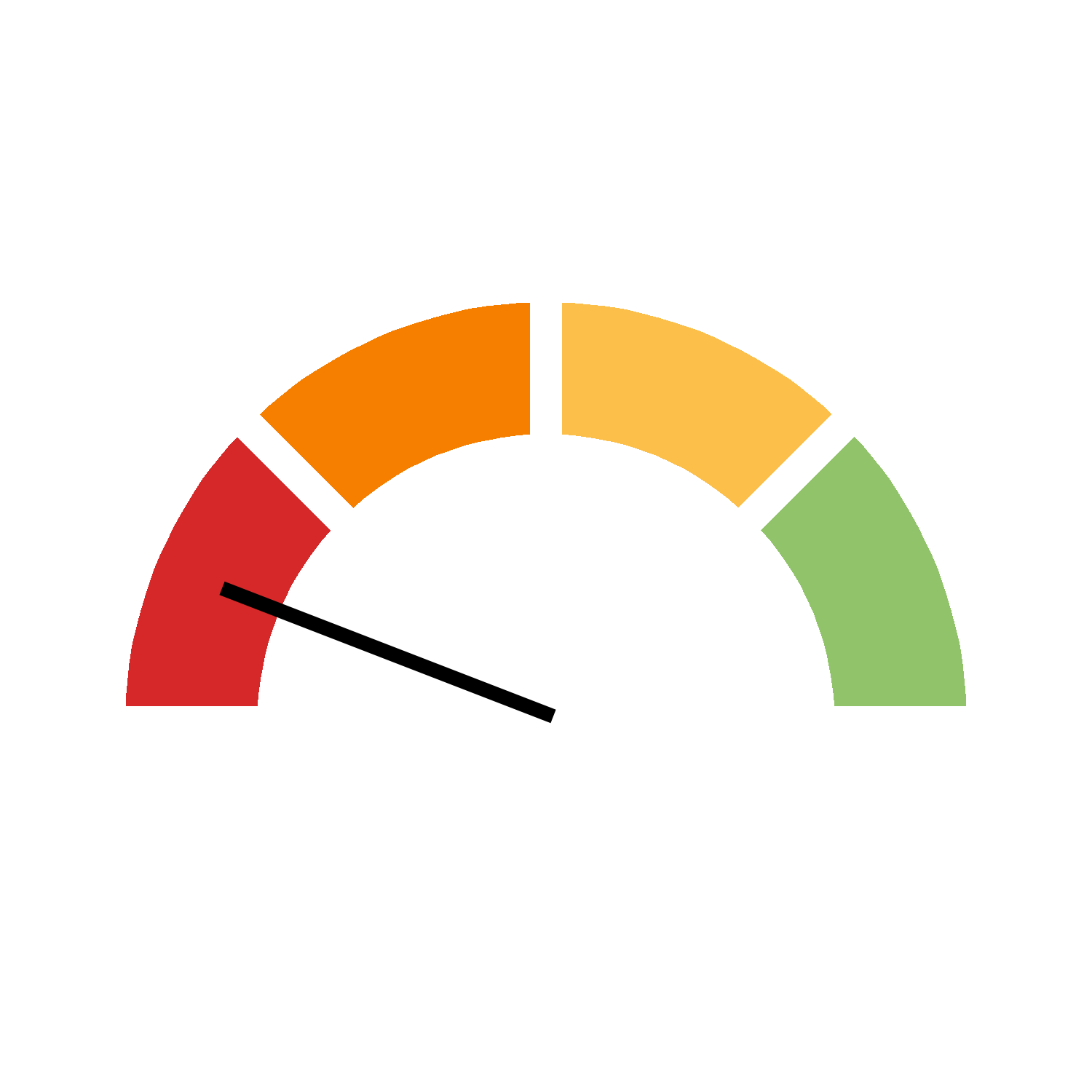
Data for Bosnia and Herzegovina are presented in accordance with the methodological concept of the EU indicator and Eurostat data. The available series includes data for 2012, 2014, 2016, 2018, 2020 and 2022. For progress calculation on the portal, the total series is used, representing hazardous and non-hazardous waste combined. The hazardous and non-hazardous waste series are presented as additional categories according to the hazardousness of waste but are not used for a separate progress calculation for this indicator. Automatic progress calculation is based on the time series available after 2015. Since no value is available for 2015, in accordance with the Open SDG 2.4.0 rules, the first available year after 2015, namely 2016, is used as the starting year for the calculation. For the total series, the value was 1,744 kg per capita in 2016, compared with 2,047 kg per capita in 2022. Since a reduction in the amount of waste generated represents the favourable direction of change for this indicator, progress is calculated in the negative direction. This progress calculation represents a method for monitoring the development of the indicator on the portal and does not constitute a separate national quantitative target. |
| National context and objectives |
For Bosnia and Herzegovina, no specific national quantitative target expressed in kilograms of waste generated per capita has been established for this indicator. The indicator is used to monitor developments in the amount of waste generated and sustainable consumption and production patterns, in accordance with the methodological framework of the EU Sustainable Development Goal indicators. In the long term, sustainable resource management involves waste prevention, more efficient use of resources, re-use and recycling, and the development of a circular economy. |
Download source data for disaggregations (.csv)
No headline data available
| Indicator description |
The indicator is defined as the total amount of waste generated in a country. It covers waste generated by industrial production, including the waste management sector, as well as waste generated by households. Major mineral wastes, dredging spoils and soils are included. As a result, high quantities of waste may be recorded in countries with significant economic activities such as mining and construction. |
|---|---|
| Data source and methodology |
The indicator is part of the EU Sustainable Development Goal indicator set and is used to monitor progress towards SDG 12 on ensuring sustainable consumption and production patterns. It reflects efforts towards more efficient resource use, waste prevention and the transition towards a circular economy. The indicator can also be considered in the context of the global SDG indicator 11.6.1, which concerns the management of municipal solid waste in urban areas. Increasing the circularity of the European economy is an important priority of the European Union and one of the key elements of the European Green Deal. |
| Coverage and comparability |
The indicator measures the amount of waste generated, expressed in kilograms per capita. It covers three categories according to the hazardousness of waste: total waste, i.e. hazardous and non-hazardous waste combined, hazardous waste and non-hazardous waste. The reference period is the calendar year. The data originate from European Statistical System Waste Statistics (ESS Waste Statistics), and Eurostat disseminates the data based on information reported by countries. The indicator is updated every two years. |
| EU context and objectives |
The indicator does not have a specific numerical target value defined within the EU Sustainable Development Goal indicator set. Its purpose is to monitor developments in the amount of waste generated in the context of sustainable consumption and production, resource efficiency and the transition towards a circular economy. European Union policies on the circular economy focus on waste prevention, re-use, recycling and more efficient use of resources. |
Source 1
| Organisation |
Agency for Statistics of Bosnia and Herzegovina (BHAS); Eurostat |
|---|---|
| Link to data source | Link opens in a new window |