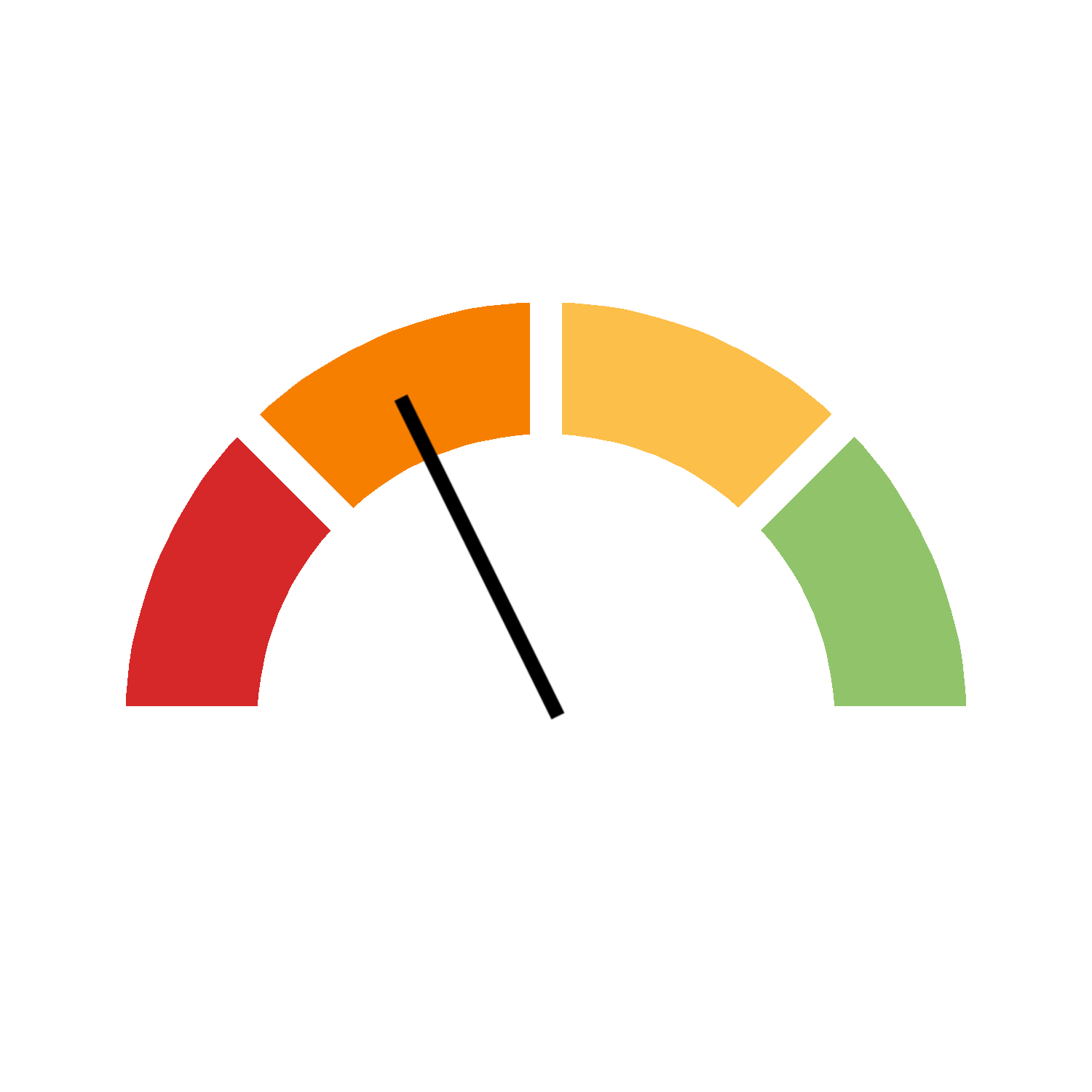
Progress status
Limited progress
Download source data (.csv)
Download source data for disaggregations (.csv)
No headline data available
| Indicator description |
The indicator measures the percentage of population connected to wastewater treatment systems with at least secondary treatment. Thereby, waste water from urban or other sources is treated by a process generally involving biological treatment with a secondary settlement or other process that removes organic material and reduces its biochemical oxygen demand (BOD) by at least 70 % and chemical oxygen demand (COD) by at least 75 % |
|---|---|
| Data source and methodology |
Indicator is used to monitor progress towards SDG 6 on clean water and sanitation, which is embedded in the European Commission’s 2024-2029 priorities under ‘Sustaining our quality of life: Food security, water and nature’. The indicator can be considered similar to global SDG indicator 6.3.1 “Proportion of wastewater safely treated”. |
| Coverage and comparability |
Protection of water resources, water ecosystems and of drinking and bathing water is at the cornerstone of EU environmental policy, as confirmed in the proposed 8th Environment Action Programme. EU water policy provides a framework to comprehensively address water protection and for achieving good status for inland surface waters, transitional waters, coastal waters and groundwater. The EU health and food safety policy also contributes to high standards on water and sanitation in terms of preventing the spread of communicable diseases. The Urban Waste-Water Treatment Directive regulates the collection, treatment and discharge of domestic as well as industrial urban wastewaters. |
| EU context and objectives |
Increase the share of the population connected to at least secondary wastewater treatment. |
Source 1
| Organisation |
EUROSTAT |
|---|---|
| Link to data source | Link opens in a new window |