| Indicator description |
The proxy indicator shows the proportion of assessed water bodies in Bosnia and Herzegovina that have good ambient water quality. Ambient water quality refers to natural, untreated water in rivers, lakes and groundwater, affected by both natural processes and human activities. The assessment is based on water-quality monitoring results and on comparing measured values for selected physical and chemical parameters with established threshold values. |
|---|---|
| Data source and methodology |
Protecting and improving water quality is important for safeguarding aquatic ecosystems, biodiversity and public health, as well as for ensuring the sustainable use of water resources. The indicator is linked to Sustainable Development Goal 6, particularly target 6.3, which aims to improve water quality by reducing pollution. The original EU SDG indicator 6.30, “Biochemical oxygen demand in rivers”, monitors organic water pollution through biochemical oxygen demand. Since the national presentation uses data on the proportion of water bodies with good ambient water quality, this proxy indicator is not a direct measure of the original EU indicator but provides complementary information on water quality in Bosnia and Herzegovina. |
| Coverage and comparability |
The available data for Bosnia and Herzegovina are 5.79% for 2017, 30.58% for 2020 and 30.58% for 2023. These values represent the proportion of water bodies classified as having good ambient water quality under the methodology applied. According to the methodology for global SDG indicator 6.3.2, a water body is classified as having good water quality if at least 80% of monitoring results for the relevant parameters meet the established target values. The overall indicator is expressed as the percentage of assessed water bodies classified as having good quality. The indicator value increased between 2017 and 2020, while the value for 2023 remained at the 2020 level. This is a proxy indicator and differs methodologically from the original EU SDG indicator 6.30; its values are therefore not directly comparable with Eurostat data on biochemical oxygen demand in rivers. |
| National context and objectives |
The long-term objective is to improve surface-water and groundwater quality and increase the proportion of water bodies with good ambient water quality, in line with Sustainable Development Goal 6. No specific quantitative national target has been identified for this proxy indicator in Bosnia and Herzegovina. |
Progress status
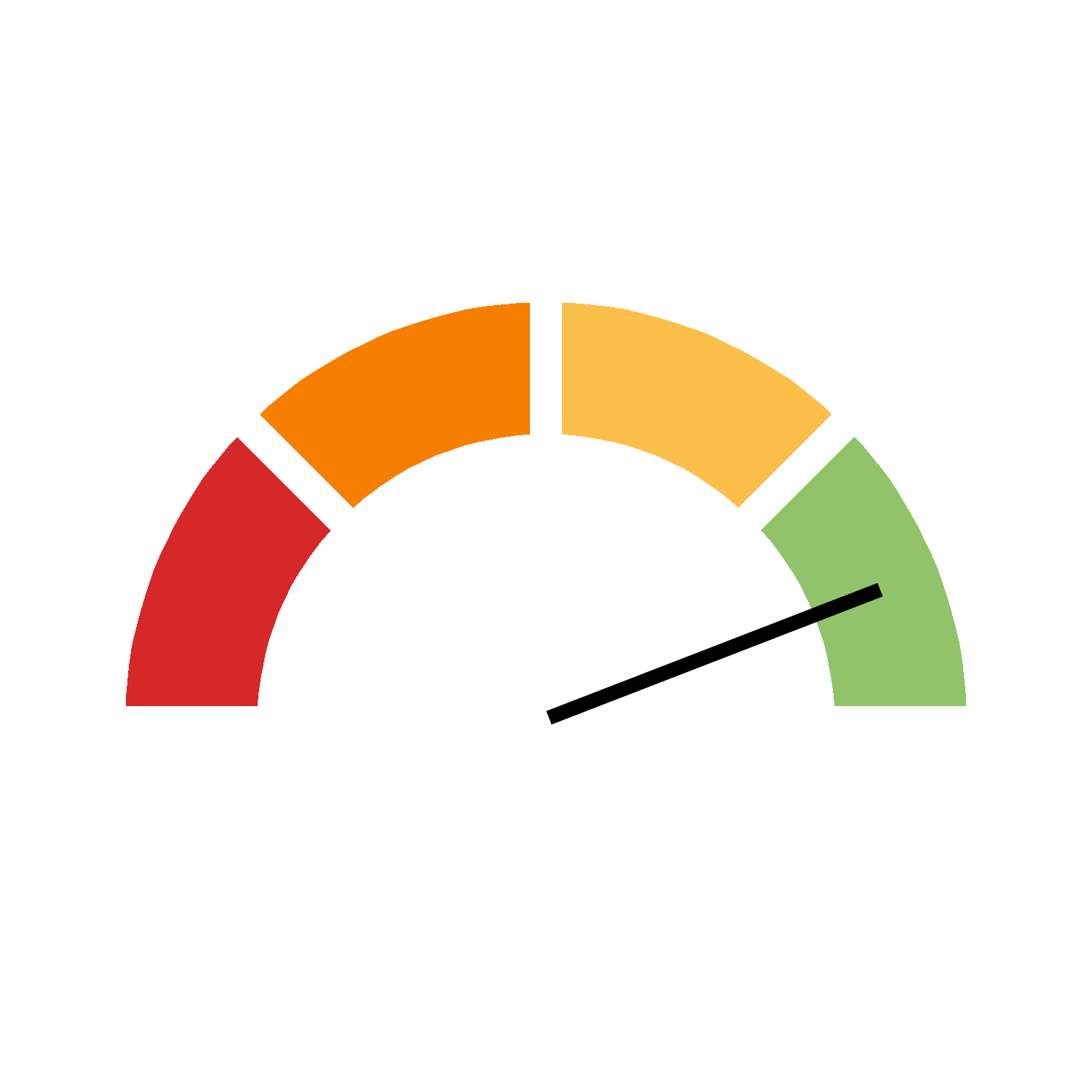
Substantial progress
Download headline data (.csv)
Download source data (.csv)
Download source data for disaggregations (.csv)
Headline data
| Year | Value | UNIT_MEASURE | SERIES |
|---|---|---|---|
| 2017 | 5.79 | Percent | Proportion of bodies of water with good ambient water quality - proxy indikator |
| 2020 | 30.58 | Percent | Proportion of bodies of water with good ambient water quality - proxy indikator |
| 2023 | 30.58 | Percent | Proportion of bodies of water with good ambient water quality - proxy indikator |
Source 1
| Organisation |
Ministry of Foreign Trade and Economic Relations of Bosnia and Herzegovina |
|---|---|
| Link to data source | Link opens in a new window |