| Indicator description |
The indicator measures the total energy needs of Bosnia and Herzegovina, excluding the non-energy use of energy carriers, such as natural gas used to produce chemicals. Primary energy consumption covers energy used by industry, transport, households, services and agriculture, as well as energy consumed by the energy sector, losses during energy transformation, and transmission and distribution losses. Values are expressed in million tonnes of oil equivalent (Mtoe) and, additionally, in tonnes of oil equivalent per capita. |
|---|---|
| Data source and methodology |
The source of data is the Agency for Statistics of Bosnia and Herzegovina. The data are taken from Eurostat’s Energy balance database. The indicator is based on energy balances showing energy production, transformation and consumption. Data are published annually. |
| Coverage and comparability |
Data on primary energy consumption for Bosnia and Herzegovina are available for 2014–2024. According to Eurostat metadata, data for the countries presented are based on joint questionnaires and a harmonised methodology, supporting international comparison. The availability of data by year and unit of measure should be considered when interpreting the national time series. |
| National context and objectives |
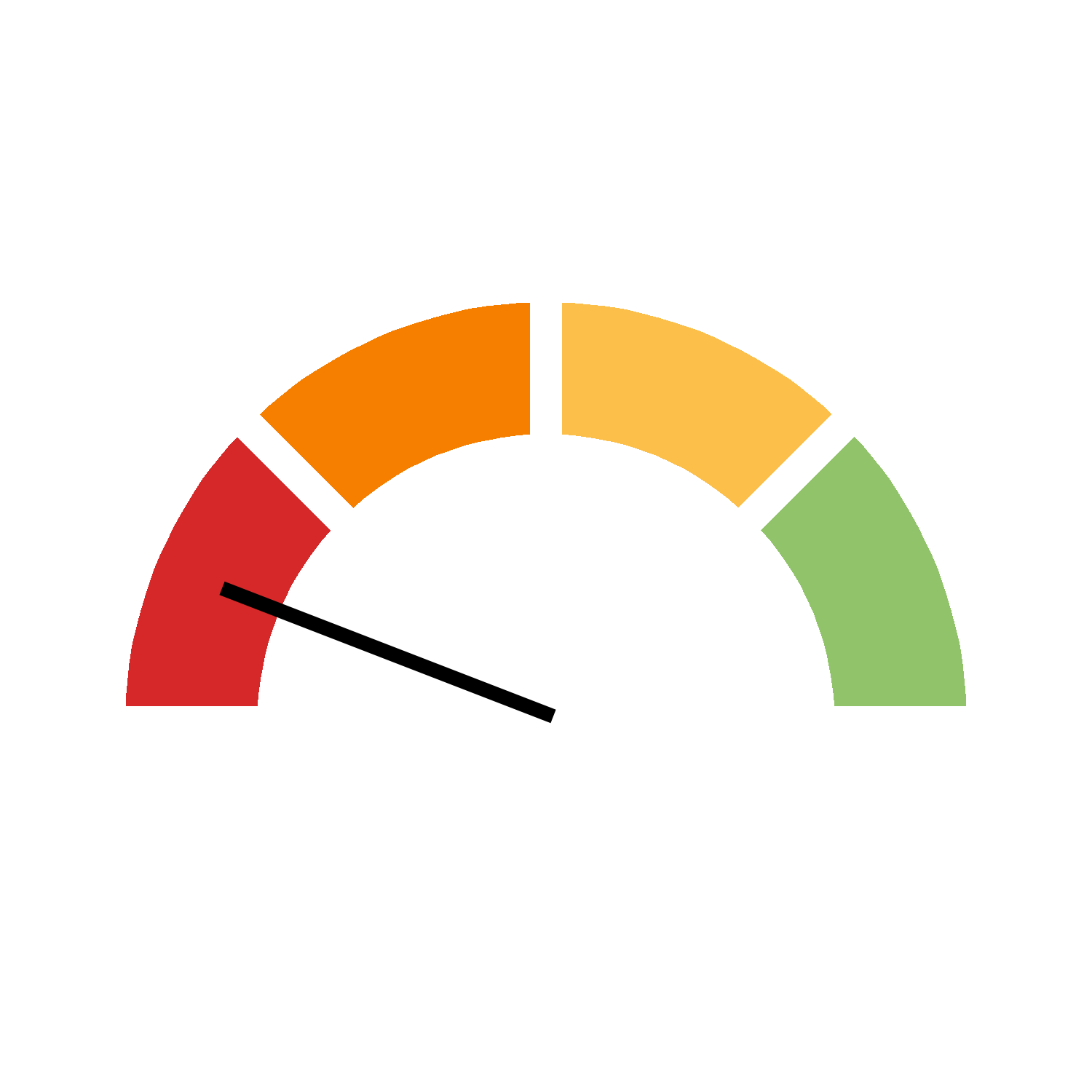
Bosnia and Herzegovina’s long-term objective under SDG indicator 7.10 is to reduce primary energy consumption to no more than 6.50 Mtoe by 2030. This target was established by the Energy Community Ministerial Council Decision 2022/02/MC-EnC. Achieving the target is linked to improving energy efficiency and using energy more sustainably. |
Download source data for disaggregations (.csv)
Headline data
| Year | Value | UNIT_MEASURE | SERIES |
|---|---|---|---|
| 2014 | 5.9 | Million tonnes of oil equivalent | Primary energy consumption |
| 2015 | 6.1 | Million tonnes of oil equivalent | Primary energy consumption |
| 2016 | 6.7 | Million tonnes of oil equivalent | Primary energy consumption |
| 2017 | 6.7 | Million tonnes of oil equivalent | Primary energy consumption |
| 2018 | 7.4 | Million tonnes of oil equivalent | Primary energy consumption |
| 2019 | 7.1 | Million tonnes of oil equivalent | Primary energy consumption |
| 2020 | 7.0 | Million tonnes of oil equivalent | Primary energy consumption |
| 2021 | 7.3 | Million tonnes of oil equivalent | Primary energy consumption |
| 2022 | 7.2 | Million tonnes of oil equivalent | Primary energy consumption |
| 2023 | 6.9 | Million tonnes of oil equivalent | Primary energy consumption |
| 2024 | 6.8 | Million tonnes of oil equivalent | Primary energy consumption |
| 2014 | 1.55 | Tonnes of oil equivalent (TOE) per capita | Primary energy consumption |
| 2015 | 1.66 | Tonnes of oil equivalent (TOE) per capita | Primary energy consumption |
| 2016 | 1.9 | Tonnes of oil equivalent (TOE) per capita | Primary energy consumption |
| 2017 | 1.91 | Tonnes of oil equivalent (TOE) per capita | Primary energy consumption |
| 2018 | 2.11 | Tonnes of oil equivalent (TOE) per capita | Primary energy consumption |
| 2022 | 2.09 | Tonnes of oil equivalent (TOE) per capita | Primary energy consumption |
| 2023 | 2.0 | Tonnes of oil equivalent (TOE) per capita | Primary energy consumption |
| 2024 | 2.0 | Tonnes of oil equivalent (TOE) per capita | Primary energy consumption |
| Indicator description |
The indicator measures a country’s total energy needs, excluding the non-energy use of energy carriers. Primary energy consumption covers energy used by end users, including industry, transport, households, services and agriculture, as well as energy consumed by the energy sector for energy production and transformation, and losses during transformation, transmission and distribution. The indicator is expressed in million tonnes of oil equivalent (Mtoe), as an index (2005 = 100), and in tonnes of oil equivalent per capita. |
|---|---|
| Data source and methodology |
The data source is Eurostat, based on data from the European Statistical System (ESS) and annual energy-saving data. The indicator is updated annually, and new data are generally disseminated within two years after the reference year. |
| Coverage and comparability |
The time series, including EU aggregates, starts in 2000. Data are presented for all EU Member States and certain other European countries. According to Eurostat, geographical comparability is supported by joint questionnaires and a harmonised methodology for EU and OECD countries. Comparability over time is based on time series without methodological breaks. |
| EU context and objectives |
The indicator monitors progress towards Sustainable Development Goal 7: affordable and clean energy. Energy efficiency and increasing the share of renewable energy are important elements of EU energy and climate policy. The European Green Deal, the “Fit for 55” package, the REPowerEU plan, and the Energy Efficiency and Renewable Energy Directives support efforts to reduce energy consumption and the EU’s dependence on energy imports. The EU objective is to reduce primary energy consumption to no more than 992.5 Mtoe by 2030. |
Source 1
| Organisation |
Eurostat, Energy balance |
|---|---|
| Link to data source | Link opens in a new window |