| Indicator description |
The indicator measures the energy end-use in a country excluding all non-energy use of energy carriers (e.g. natural gas used not for combustion but for producing chemicals). “Final energy consumption” covers only the energy consumed by end users, such as industry, transport, households, services and agriculture; it excludes energy consumption of the energy sector itself and losses occurring during transformation and distribution of energy. |
|---|---|
| Data source and methodology |
Indicator is used to monitor progress towards SDG 7 on affordable and clean energy, which is embedded in the European Commission’s Priorities under the ‘Supporting people, strengthening our societies and our social model’. The EU is implementing an interconnected set of measures “Fit for 55” to reach the new climate targets for 2030 and has followed a new strategic plan REPowerEU to reduce the EU dependency on energy imports. |
| Coverage and comparability |
The European Green Deal includes energy efficiency as a key measure for reducing cross-sectoral GHG emissions. Energy efficiency and Renewable energy Directives set ambitious EU targets to be reached by 2030. |
| National context and objectives |
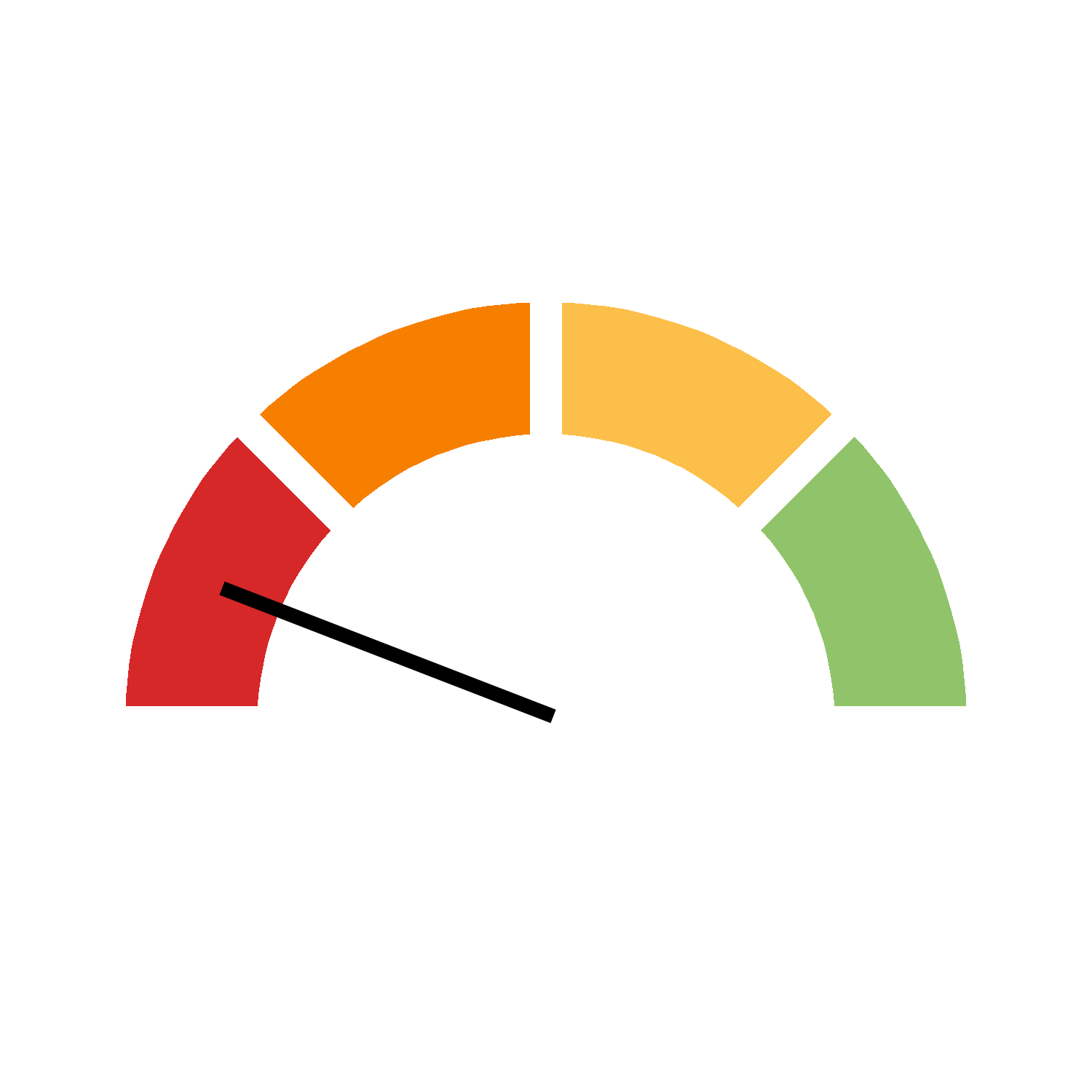
The long-term objective for Bosnia and Herzegovina under indicator SDG_07_11 is to reduce final energy consumption to no more than 4.34 Mtoe by 2030, in line with the binding target for Bosnia and Herzegovina established by the Ministerial Council of the Energy Community, while increasing energy efficiency and promoting more sustainable use of energy. |
Download source data for disaggregations (.csv)
Headline data
| Year | Value | UNIT_MEASURE | SERIES |
|---|---|---|---|
| 2014 | 3.1 | Million tonnes of oil equivalent | Final energy consumption |
| 2015 | 3.3 | Million tonnes of oil equivalent | Final energy consumption |
| 2016 | 3.6 | Million tonnes of oil equivalent | Final energy consumption |
| 2017 | 3.5 | Million tonnes of oil equivalent | Final energy consumption |
| 2018 | 4.2 | Million tonnes of oil equivalent | Final energy consumption |
| 2019 | 4.2 | Million tonnes of oil equivalent | Final energy consumption |
| 2020 | 4.0 | Million tonnes of oil equivalent | Final energy consumption |
| 2021 | 4.3 | Million tonnes of oil equivalent | Final energy consumption |
| 2022 | 4.3 | Million tonnes of oil equivalent | Final energy consumption |
| 2023 | 4.2 | Million tonnes of oil equivalent | Final energy consumption |
| 2024 | 4.4 | Million tonnes of oil equivalent | Final energy consumption |
| 2014 | 0.81 | Tonnes of oil equivalent (TOE) per capita | Final energy consumption |
| 2015 | 0.9 | Tonnes of oil equivalent (TOE) per capita | Final energy consumption |
| 2016 | 1.01 | Tonnes of oil equivalent (TOE) per capita | Final energy consumption |
| 2017 | 1.0 | Tonnes of oil equivalent (TOE) per capita | Final energy consumption |
| 2018 | 1.21 | Tonnes of oil equivalent (TOE) per capita | Final energy consumption |
| 2022 | 1.25 | Tonnes of oil equivalent (TOE) per capita | Final energy consumption |
| 2023 | 1.22 | Tonnes of oil equivalent (TOE) per capita | Final energy consumption |
| 2024 | 1.28 | Tonnes of oil equivalent (TOE) per capita | Final energy consumption |
| Indicator description |
The indicator measures the energy end-use in a country excluding all non-energy use of energy carriers (e.g. natural gas used not for combustion but for producing chemicals). “Final energy consumption” covers only the energy consumed by end users, such as industry, transport, households, services and agriculture; it excludes energy consumption of the energy sector itself and losses occurring during transformation and distribution of energy. |
|---|---|
| Data source and methodology |
Indicator is used to monitor progress towards SDG 7 on affordable and clean energy, which is embedded in the European Commission’s Priorities under the ‘Supporting people, strengthening our societies and our social model’. The EU is implementing an interconnected set of measures “Fit for 55” to reach the new climate targets for 2030 and has followed a new strategic plan REPowerEU to reduce the EU dependency on energy imports. |
| Coverage and comparability |
The European Green Deal includes energy efficiency as a key measure for reducing cross-sectoral GHG emissions. Energy efficiency and Renewable energy Directives set ambitious EU targets to be reached by 2030. |
| EU context and objectives |
The long-term objective of the European Union under indicator SDG_07_11 is to reduce final energy consumption to no more than 763 Mtoe by 2030, in line with EU objectives to increase energy efficiency and reduce energy consumption. |
Source 1
| Organisation |
Eurostat, Energy balance |
|---|---|
| Link to data source | Link opens in a new window |