
| Indicator description |
The indicator measures patenting activity related to the protection of inventions and covers patent applications filed with the European Patent Office. For monitoring purposes, the data are presented as the total number of patent applications and as the number of applications per million inhabitants. |
|---|---|
| Data source and methodology |
The indicator provides information on patent activity and represents one measure of inventive and innovation activity in Bosnia and Herzegovina. Monitoring patent applications provides insight into activities aimed at protecting new inventions and provides information on the development of innovation activity in the country. |
| Coverage and comparability |
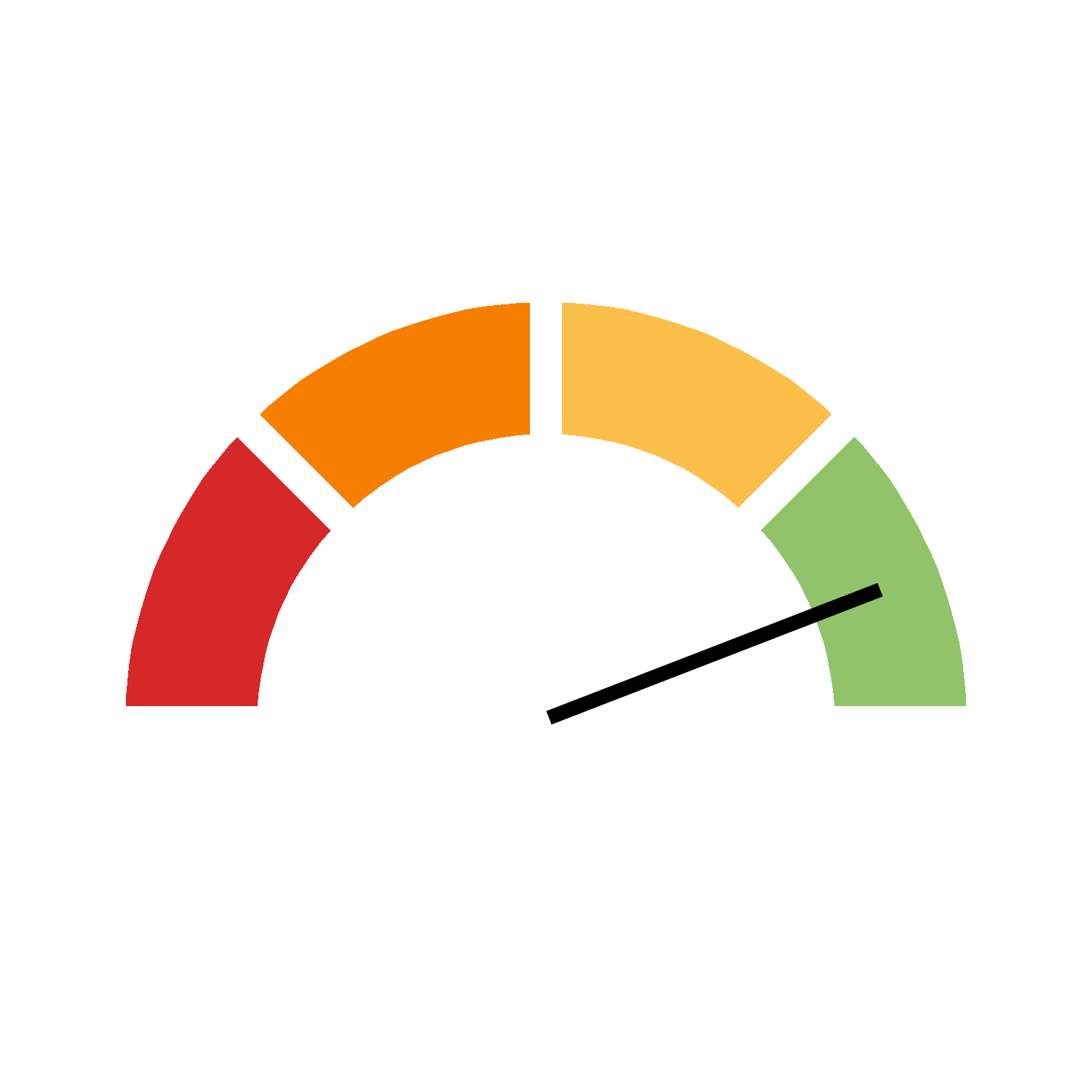
The Agency for Statistics of Bosnia and Herzegovina obtains patent data from the Institute for Intellectual Property of Bosnia and Herzegovina, according to defined tables, and processes them in accordance with the international methodology for patent statistics. The Institute for Intellectual Property of Bosnia and Herzegovina is the competent institution for patents in Bosnia and Herzegovina. The automatic progress status is calculated on the basis of changes in the value of the number of patent applications over the available time series, using the methodology for automatic progress calculation within the Open SDG platform. The series of patent applications by country of residence of the inventor, expressed as the total number of applications, is used for the progress assessment. As this is a positively oriented indicator, an increase in the value over time represents movement in a favourable direction, while a decrease in the value represents movement in the opposite direction. The progress assessment is based on the direction and rate of change in the value over the time series and does not represent an assessment of achieving a specific national target value. The data for SDG indicator 9.40 used for international comparison are based on data from the European Patent Office (EPO) and Eurostat, in accordance with the methodology for this indicator. This international series represents a separate data source from the national data obtained by the Agency for Statistics of Bosnia and Herzegovina from the Institute for Intellectual Property of Bosnia and Herzegovina. |
| National context and objectives |
No specific quantitative target value has been established for this indicator at the level of Bosnia and Herzegovina. Progress is monitored on the basis of changes in the indicator value over time, taking into account the direction and rate of change based on the available time series. |
Download source data for disaggregations (.csv)
No headline data available
| Indicator description |
This indicator measures requests for the protection of inventions filed with the European Patent Office (EPO), regardless of whether they are granted or not. Applications are allocated according to the country of residence of the inventor. Data are presented as the total number of applications and as the number of applications per million inhabitants. |
|---|---|
| Data source and methodology |
The indicator is used to monitor Sustainable Development Goal 9, which focuses on building resilient infrastructure, promoting inclusive and sustainable industrialisation and fostering innovation. Patent applications represent one measure of inventive activity and provide information on the ability of countries and their enterprises to turn research and knowledge into potential innovations and economic benefits. Requests for the protection of inventions may be filed directly with the European Patent Office (EPO) or through the procedure under the Patent Cooperation Treaty (PCT), designating the EPO. In accordance with the indicator methodology, applications are allocated according to the country of residence of the inventor. |
| Coverage and comparability |
The indicator allows patent activity to be monitored over time. Data on the number of patent applications are used to assess long-term and short-term developments, while the number of applications per million inhabitants is used to compare the relative level of patent activity between countries. |
| EU context and objectives |
No specific political quantitative target has been established for this indicator at EU level. In the methodology used to assess this indicator, 240 patent applications per million inhabitants are used as a reference long-term value. |
Source 1
| Organisation |
Institute for Intellectual Property of Bosnia and Herzegovina (IIP-BIH); European Patent Office (EPO); Eurostat |
|---|---|
| Link to data source | Link opens in a new window |