
| Indicator description |
For Bosnia and Herzegovina, the indicator presents the homicide mortality rate per 100,000 population, based on World Health Organization (WHO) data and disaggregated by sex. A lower rate indicates a reduction in homicide mortality. |
|---|---|
| Data source and methodology |
Reducing homicide mortality is linked to improving public safety, protecting the right to life and reducing violence. The indicator contributes to monitoring Sustainable Development Goal 16, which concerns peace, justice and strong institutions. |
| Coverage and comparability |
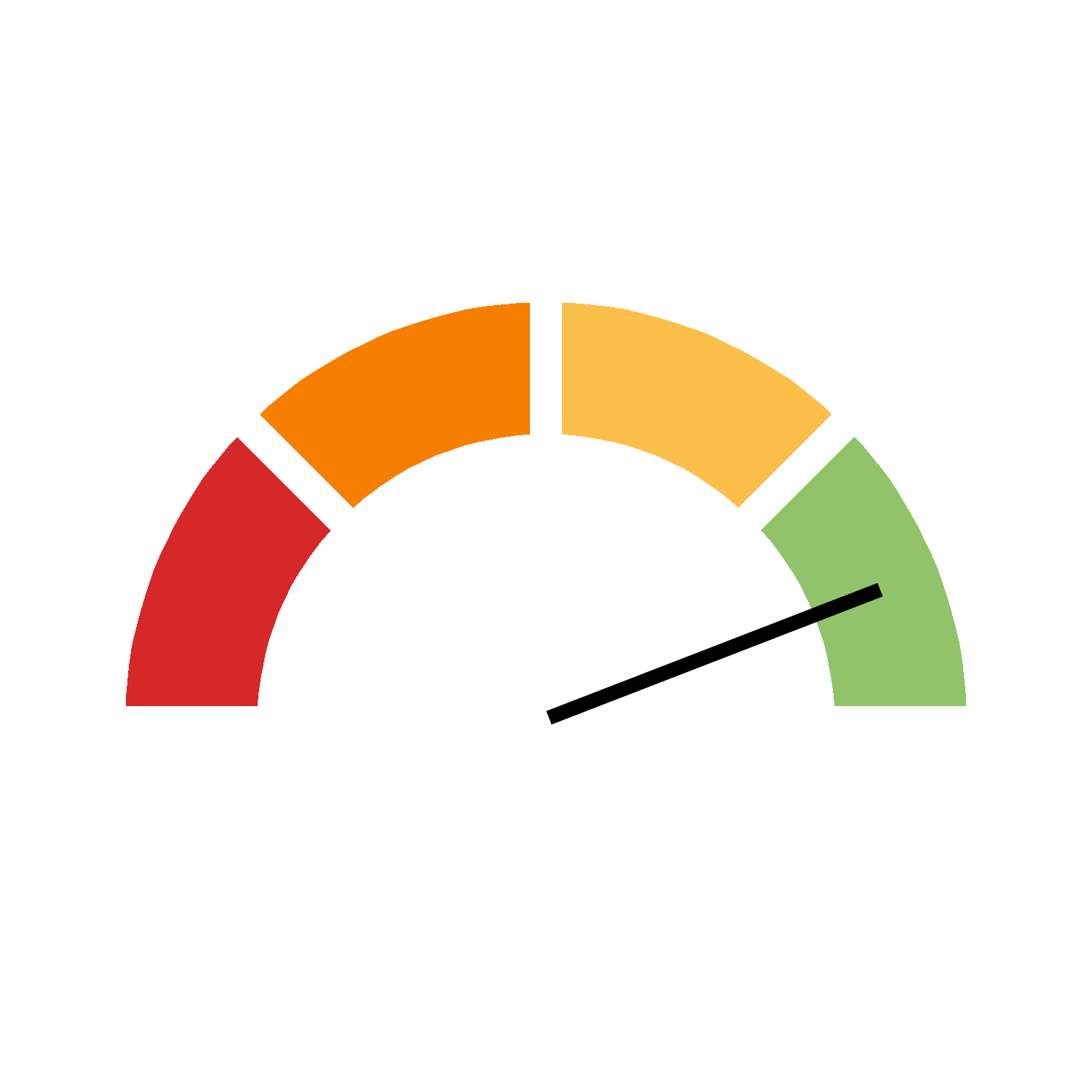
WHO data show a decrease in the overall homicide mortality rate from 1.8 per 100,000 population in 2012 to 1.4 in 2020 and 2021. Over the same period, the rate for males decreased, while the rate for females remained relatively stable. These data indicate a favourable trend, while the progress status is calculated using the established methodology for automatic progress assessment. Eurostat indicator 16.10 is based on a standardised homicide mortality rate that takes the population age structure into account. The WHO data presented at the national level should not automatically be considered methodologically identical to Eurostat’s standardised rate. |
| National context and objectives |
No methodologically comparable national target has been established for the data series presented for Bosnia and Herzegovina to monitor long-term progress for this indicator. |
Download source data for disaggregations (.csv)
No headline data available
| Indicator description |
The indicator measures the standardised death rate due to homicide and injuries inflicted by another person with the intent to injure or kill, by any means. It includes late effects of assault (International Classification of Diseases – ICD codes X85–Y09 and Y87.1). Deaths due to legal interventions or war (ICD codes Y35 and Y36) are excluded. Cause-of-death data refer to the underlying cause of death, defined as the disease or injury that initiated the chain of events leading directly to death, or the circumstances of an accident or violence that produced the fatal injury. The data are derived from death certificates. The rate is standardised using the standard European population, taking differences in population age structures into account and improving comparability between countries and over time. |
|---|---|
| Data source and methodology |
The indicator is used to monitor progress towards Sustainable Development Goal 16 – Peace, Justice and Strong Institutions. It is linked to European Commission priorities concerning security, crime prevention and the protection of democratic values. Physical safety is an important aspect of quality of life. Crimes that threaten life and physical integrity are one measure of societal safety. This indicator contributes to understanding and monitoring this aspect of security. |
| Coverage and comparability |
On 24 July 2020, the European Commission presented the EU Security Union Strategy for 2020–2025. The strategy covered action in areas including organised crime, terrorism and violent radicalisation, the protection of critical infrastructure and public spaces, cybercrime, law-enforcement cooperation, information exchange, research and innovation. Security is an important prerequisite for quality of life. This indicator provides an objective measure of deaths due to homicide and complements other indicators relating to perceived safety and crime. |
| EU context and objectives |
The long-term reference value for this indicator is 0.3 deaths per 100,000 population, based on the average performance of the best-performing countries globally. This value is used in the context of sustainable development monitoring and does not represent a formally adopted European Union target. |
Source 1
| Organisation |
World Health Organization (WHO) |
|---|---|
| Link to data source | Link opens in a new window |