
| Indicator description |
The indicator measures the share of environmental taxes in total revenue from taxes and social contributions, excluding imputed social contributions. Environmental taxes are taxes whose tax base is a physical unit (or a proxy for it) of something that has a proven specific negative impact on the environment. They are classified into four categories: energy, transport, pollution and resources taxes. |
|---|---|
| Data source and methodology |
Monitoring the share of environmental taxes provides insight into the contribution of environment-related taxation to total revenue from taxes and social contributions. The indicator provides information on the structure of tax revenues and the role of environmental taxation in the tax system of Bosnia and Herzegovina. |
| Coverage and comparability |
The list of environmental taxes for Bosnia and Herzegovina was prepared on the basis of the existing National Tax List (NTL) of the Central Bank of Bosnia and Herzegovina. All identified taxes were classified into four categories: energy, transport, pollution and resources taxes. No CO₂ taxes or other CO₂-related taxes were identified for the reporting period. The data are based on administrative sources and are collected directly from the Indirect Taxation Authority of Bosnia and Herzegovina, the Tax Administration of Republika Srpska, the Tax Administration of the Federation of Bosnia and Herzegovina, and the Directorate for Finance of Brčko District. |
| National context and objectives |
The long-term direction of European policies is to strengthen the role of environmental taxation and encourage a shift in the tax burden from labour towards energy and other activities related to the environment. No single quantitative target has been established for this indicator at European Union level. |
Download source data for disaggregations (.csv)
Headline data
| Year | Value | UNIT_MEASURE | SERIES |
|---|---|---|---|
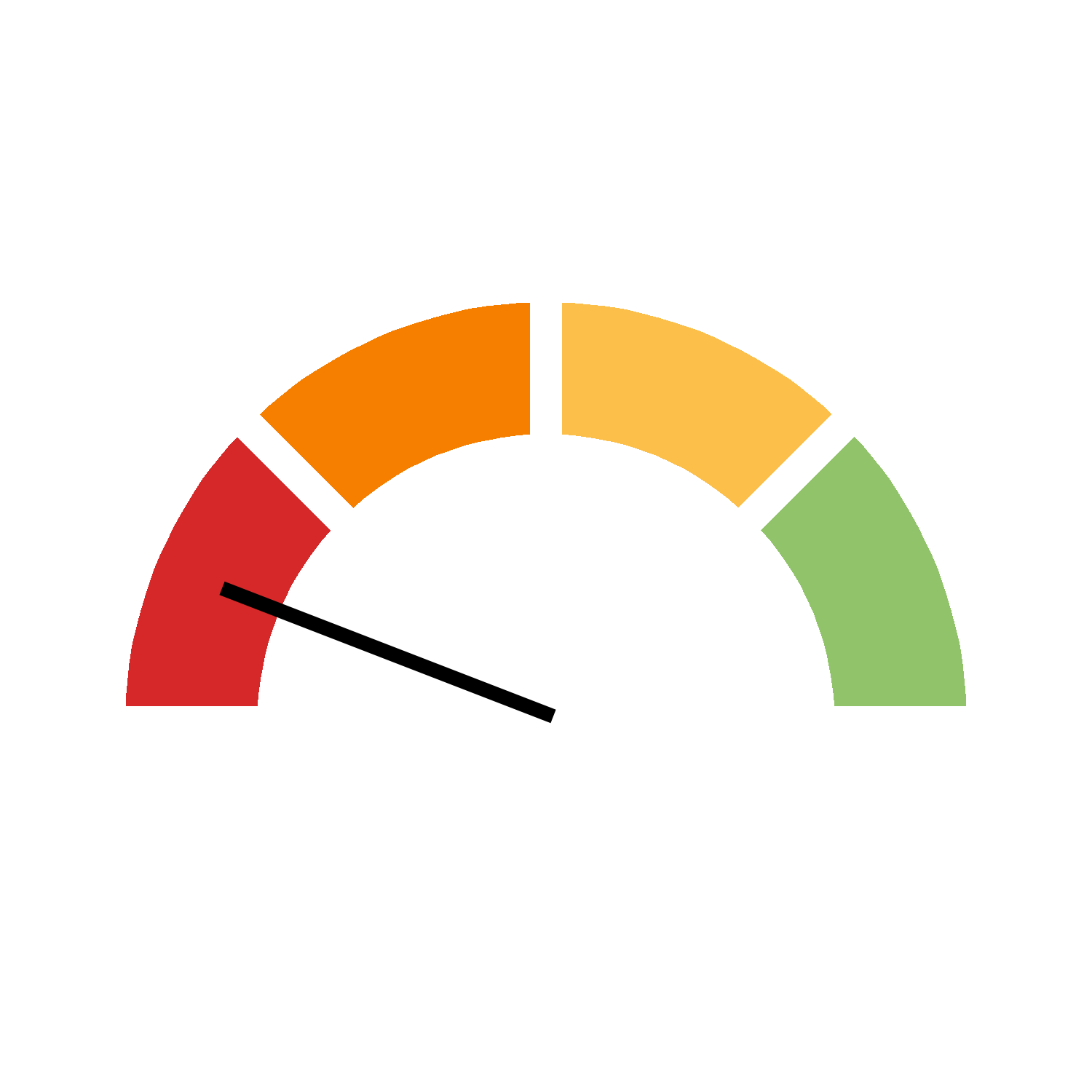
| 2017 | 9.11 | Percentage of total revenues from taxes and social contributions (excluding imputed social contributions) | Shares of environmental taxes in total tax revenues |
| 2018 | 10.6 | Percentage of total revenues from taxes and social contributions (excluding imputed social contributions) | Shares of environmental taxes in total tax revenues |
| 2019 | 10.89 | Percentage of total revenues from taxes and social contributions (excluding imputed social contributions) | Shares of environmental taxes in total tax revenues |
| 2020 | 10.42 | Percentage of total revenues from taxes and social contributions (excluding imputed social contributions) | Shares of environmental taxes in total tax revenues |
| 2021 | 10.26 | Percentage of total revenues from taxes and social contributions (excluding imputed social contributions) | Shares of environmental taxes in total tax revenues |
| 2022 | 8.73 | Percentage of total revenues from taxes and social contributions (excluding imputed social contributions) | Shares of environmental taxes in total tax revenues |
| 2023 | 8.38 | Percentage of total revenues from taxes and social contributions (excluding imputed social contributions) | Shares of environmental taxes in total tax revenues |
| 2024 | 8.08 | Percentage of total revenues from taxes and social contributions (excluding imputed social contributions) | Shares of environmental taxes in total tax revenues |
| Indicator description |
The indicator measures the share of environmental taxes in total revenue from taxes and social contributions, excluding imputed social contributions. Environmental taxes are taxes whose tax base is a physical unit (or a proxy for it) of something that has a proven specific negative impact on the environment. They cover taxes on energy, transport, pollution and resources. Energy taxes account for the largest share of environmental tax revenue, while transport taxes also play a significant role; pollution and resource taxes represent additional categories of environmental taxation. |
|---|---|
| Data source and methodology |
Consumption patterns in one part of the world can affect production and environmental conditions in other parts of the world. Prices should reflect the actual costs of goods and activities, including costs associated with environmental damage and adverse health effects. Environmental taxes are one instrument for incorporating these costs into economic decisions. |
| Coverage and comparability |
European policies, including the European Green Deal, encourage a shift in the tax burden from labour towards energy and other activities related to the environment, with the aim of increasing the relative importance of environmental taxes in total tax revenue. Changes in the indicator make it possible to monitor developments in the structure of tax revenues and progress towards such a shift in tax policy. However, a change in the share of environmental taxes is not, in itself, a direct measure of the overall environmental impact of economic activities. |
| EU context and objectives |
No specific quantitative national target has been established for this indicator in Bosnia and Herzegovina. Its long-term direction may be considered in the context of policies promoting a greater role for environmental taxation and a shift in the tax burden from labour towards energy and other activities related to the environment. This direction represents a broader policy framework rather than a formally adopted national target for Bosnia and Herzegovina. |
Source 1
| Organisation |
BHAS |
|---|---|
| Link to data source | Link opens in a new window |