| Indicator description |
The indicator measures the share of total utilised agricultural area under organic farming, including land already under organic production and land undergoing conversion to organic farming. It is expressed as a percentage and shows the prevalence of organic farming within the total utilised agricultural area. Organic farming is based on production practices that aim to conserve natural resources and biodiversity, improve soil quality and animal welfare, and limit the use of synthetic inputs in agricultural production. |
|---|---|
| Data source and methodology |
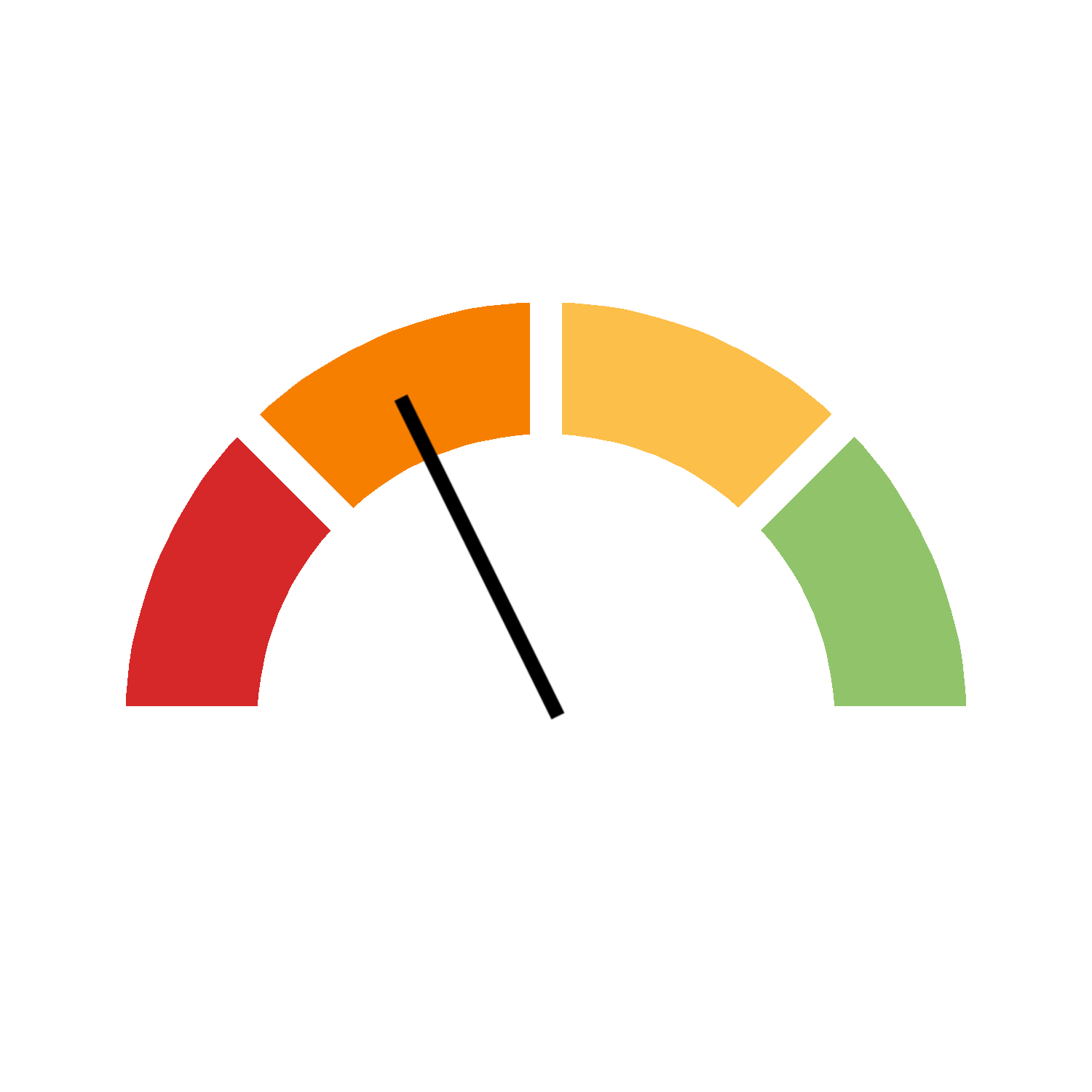
The data source is the European Environment Agency (EEA), through its Europe’s environment 2025 report for Bosnia and Herzegovina. The indicator is expressed as the share of utilised agricultural area under organic farming in total utilised agricultural area. The coverage includes land under existing organic production and land undergoing conversion to organic farming. The unit of measurement is the percentage of total utilised agricultural area (%). Automatic progress calculation uses the total indicator series, with 2016 as the base year and 2030 as the target year. The base value is compared with the latest available value, and the observed compound annual growth rate is compared with the rate required to reach the target of 0.36% by 2030. Based on this calculation, the progress status is reported as “Limited progress.” |
| Coverage and comparability |
The data cover the period from 2014 to 2022. According to the available data, the share is reported as 0.0% in 2014 and 2015 and 0.1% from 2016 to 2022. Values are rounded to one decimal place; therefore, the displayed changes may not reflect all changes in the share over the period. Comparisons should take into account the consistency of the coverage of organic farming and total utilised agricultural area. |
| National context and objectives |
Organic farming in Bosnia and Herzegovina began developing in the 1990s. Rural development strategy documents for 2021–2027 recognise the importance of developing organic farming. The long-term target for this indicator is 0.36% of total utilised agricultural area by 2030. |
Download source data for disaggregations (.csv)
No headline data available
| Indicator description |
The indicator measures the share of total utilised agricultural area (UAA) under organic farming, including land already under organic production and land undergoing conversion to organic farming. Organic farming is a production method that places particular emphasis on environmental protection and wildlife, as well as animal welfare in livestock production. It avoids or greatly reduces the use of synthetic chemical inputs, such as fertilisers, pesticides, additives and veterinary medicinal products. |
|---|---|
| Data source and methodology |
The data source is the European Statistical System (ESS), with Eurostat collecting and publishing data supplied by reporting countries. The data are based on organic farming statistics and cover land under existing organic production and land undergoing conversion to organic farming. The indicator is calculated as the share of total utilised agricultural area under organic farming in total utilised agricultural area. The unit of measurement is the percentage of total utilised agricultural area (% UAA). The reference period is the calendar year, and data are published annually. |
| Coverage and comparability |
The indicator is part of the European Union framework for monitoring the Sustainable Development Goals and is related to global indicator 2.4.1, which measures the share of agricultural area under productive and sustainable agriculture. However, EU SDG indicator 2.40 specifically measures the share of utilised agricultural area under organic farming and does not cover all the sustainability dimensions addressed by global indicator 2.4.1. Annual data allow changes in the share of organic farming to be monitored over time and comparisons to be made across countries, taking into account possible differences in data availability and quality. |
| EU context and objectives |
Organic farming is part of the European Union’s approach to more sustainable agricultural production, environmental protection and biodiversity conservation. Under the European Green Deal, the EU Biodiversity Strategy for 2030 sets a target for at least 25% of the EU’s total agricultural area to be under organic farming by 2030. The indicator is used to monitor progress towards this target. |
Source 1
| Organisation |
EEA |
|---|---|
| Link to data source | Link opens in a new window |