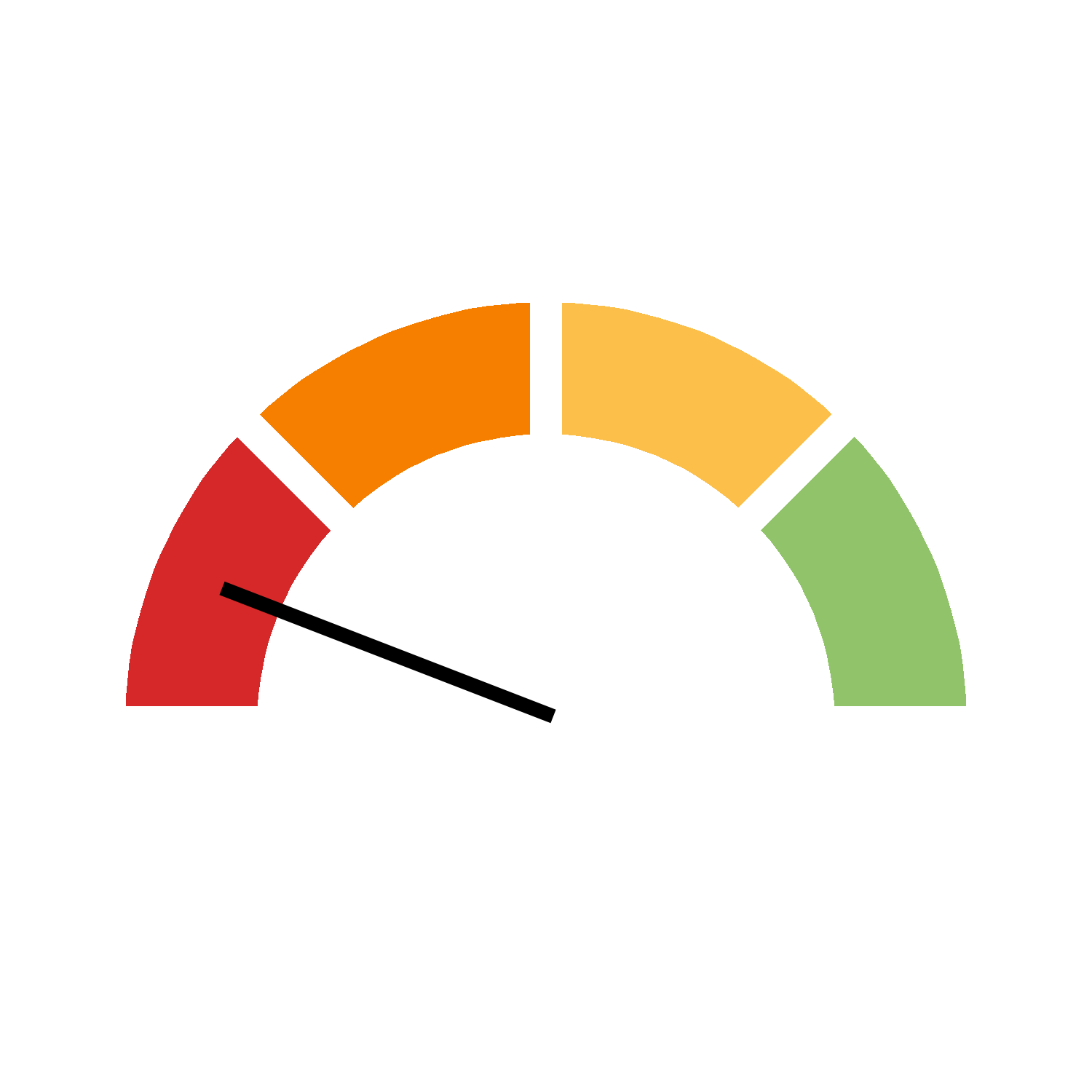
Progress status
Deterioration
Download source data (.csv)
Download source data for disaggregations (.csv)
No headline data available
| Indicator description |
The indicator measures the difference between the employment rates of men and women aged 20 to 64. The employment rate is calculated by dividing the number of persons aged 20 to 64 in employment by the total population of the same age group. The indicator shows activity and employment status for four groups of persons: employed persons working full time, employed persons working part time, employed persons with temporary contract and underemployed persons working part time. |
|---|---|
| Data source and methodology |
Is used to monitor progress towards SDG 5 on gender equality, which is embedded in the European Commission’s Priorities under ‘Supporting people, strenghtening our societes and our social model’. The indicator is included as a headline indicator in the Social Scoreboard for the European Pillar of Social Rights. |
| Coverage and comparability |
Increasing female labour market participation and the equal economic independence of women and men is one of the priorities of the EU Gender Equality Strategy, which commits to achieving a Union of Equality. The EU Gender Equality Strategy presents policy objectives and actions to make significant progress by 2025 towards a gender-equal Europe, where women and men, girls and boys, are free to pursue their chosen path in life and have equal opportunities to thrive. The key objectives are ending gender-based violence; challenging gender stereotypes; closing gender gaps in the labour market; achieving equal participation across different sectors of the economy; addressing the gender pay and pension gaps; closing the gender care gap and achieving gender balance in decision-making and in politics. |
| EU context and objectives |
The long-term objective for this indicator is a value of 0 |
Source 1
| Organisation |
ESS (LFS) |
|---|---|
| Link to data source | Link opens in a new window |