| Indicator description |
The indicator measures the share of children between the age of three and the starting age of compulsory primary education who participated in early childhood education and care (ECEC) which can be classified as ISCED level 0 according to the International Standard Classification for Education (ISCED 2011). In order for ECEC programmes to be classified as ISCED level 0, they must be intentionally designed to support a child’s cognitive, physical and socio-emotional development. The starting age of compulsory primary education varies across countries. The participation of children in programmes which are not intentionally designed to support child development (such as childcare-only programmes) is not included in this indicator. |
|---|---|
| Data source and methodology |
Indicator s used to monitor progress towards SDG 4 on quality education, which is embedded in the European Commission’s Priorities under ‘A new plan for Europe’s sustainable prosperity and competitiveness’, ‘Supporting people, strengthening our societies and our social model’ and ‘Protecting our democracy, upholding our values’. The Council of the European Union on 26 February 2021 adopted the Resolution on a strategic framework for European cooperation in education and training towards the European Education Area and beyond (2021–2030), a framework that addresses five strategic priorities: (1) Improving quality, equity, inclusion and success for all in education and training; (2) Making lifelong learning and mobility a reality for all; (3) Enhancing competences and motivation in the education profession; (4) Reinforcing European higher education; and (5) Supporting green and digital transitions in and through education and training. |
| Coverage and comparability |
As early childhood education and care are increasingly recognised as an integral part of the education and training system, the Council Resolution sets the EU target for participation in early childhood education and care to be at least 96% of children between three years old and the starting age for compulsory primary education by 2030. |
| National context and objectives |
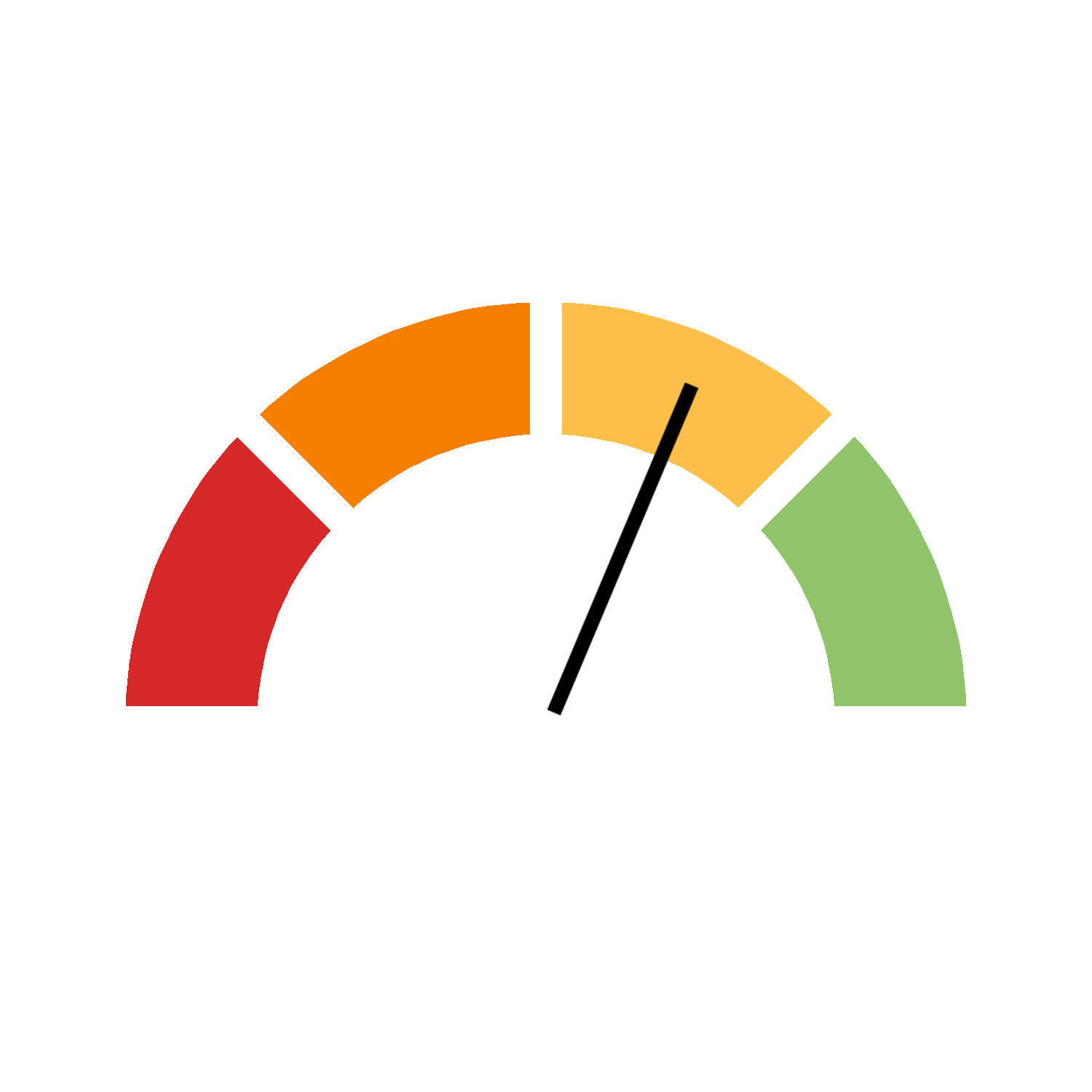
The goal is to achieve a participation rate of 96% of children (from the age of 3 to the beginning of compulsory primary education) by 2030. |
Download source data for disaggregations (.csv)
Headline data
| Year | Value | UNIT_MEASURE | SERIES |
|---|---|---|---|
| 2016 | 18.4 | Percent | Participation in early childhood education by sex (children aged 3 and over) |
| 2017 | 20.9 | Percent | Participation in early childhood education by sex (children aged 3 and over) |
| 2018 | 22.4 | Percent | Participation in early childhood education by sex (children aged 3 and over) |
| 2019 | 25.9 | Percent | Participation in early childhood education by sex (children aged 3 and over) |
| 2020 | 27.6 | Percent | Participation in early childhood education by sex (children aged 3 and over) |
| 2021 | 25.0 | Percent | Participation in early childhood education by sex (children aged 3 and over) |
| 2022 | 29.6 | Percent | Participation in early childhood education by sex (children aged 3 and over) |
| 2023 | 43.6 | Percent | Participation in early childhood education by sex (children aged 3 and over) |
| 2024 | 45.0 | Percent | Participation in early childhood education by sex (children aged 3 and over) |
| Indicator description |
The indicator measures the share of children between the age of three and the starting age of compulsory primary education who participated in early childhood education and care (ECEC) which can be classified as ISCED level 0 according to the International Standard Classification for Education (ISCED 2011). In order for ECEC programmes to be classified as ISCED level 0, they must be intentionally designed to support a child’s cognitive, physical and socio-emotional development. The starting age of compulsory primary education varies across countries. The participation of children in programmes which are not intentionally designed to support child development (such as childcare-only programmes) is not included in this indicator. |
|---|---|
| Data source and methodology |
Indicator s used to monitor progress towards SDG 4 on quality education, which is embedded in the European Commission’s Priorities under ‘A new plan for Europe’s sustainable prosperity and competitiveness’, ‘Supporting people, strengthening our societies and our social model’ and ‘Protecting our democracy, upholding our values’. The Council of the European Union on 26 February 2021 adopted the Resolution on a strategic framework for European cooperation in education and training towards the European Education Area and beyond (2021–2030), a framework that addresses five strategic priorities: (1) Improving quality, equity, inclusion and success for all in education and training; (2) Making lifelong learning and mobility a reality for all; (3) Enhancing competences and motivation in the education profession; (4) Reinforcing European higher education; and (5) Supporting green and digital transitions in and through education and training. |
| Coverage and comparability |
As early childhood education and care are increasingly recognised as an integral part of the education and training system, the Council Resolution sets the EU target for participation in early childhood education and care to be at least 96% of children between three years old and the starting age for compulsory primary education by 2030. |
| EU context and objectives |
The goal is to achieve a participation rate of 96% of children (from the age of 3 to the beginning of compulsory primary education) by 2030. |
Source 1
| Organisation |
BHAS |
|---|---|
| Link to data source | Link opens in a new window |