
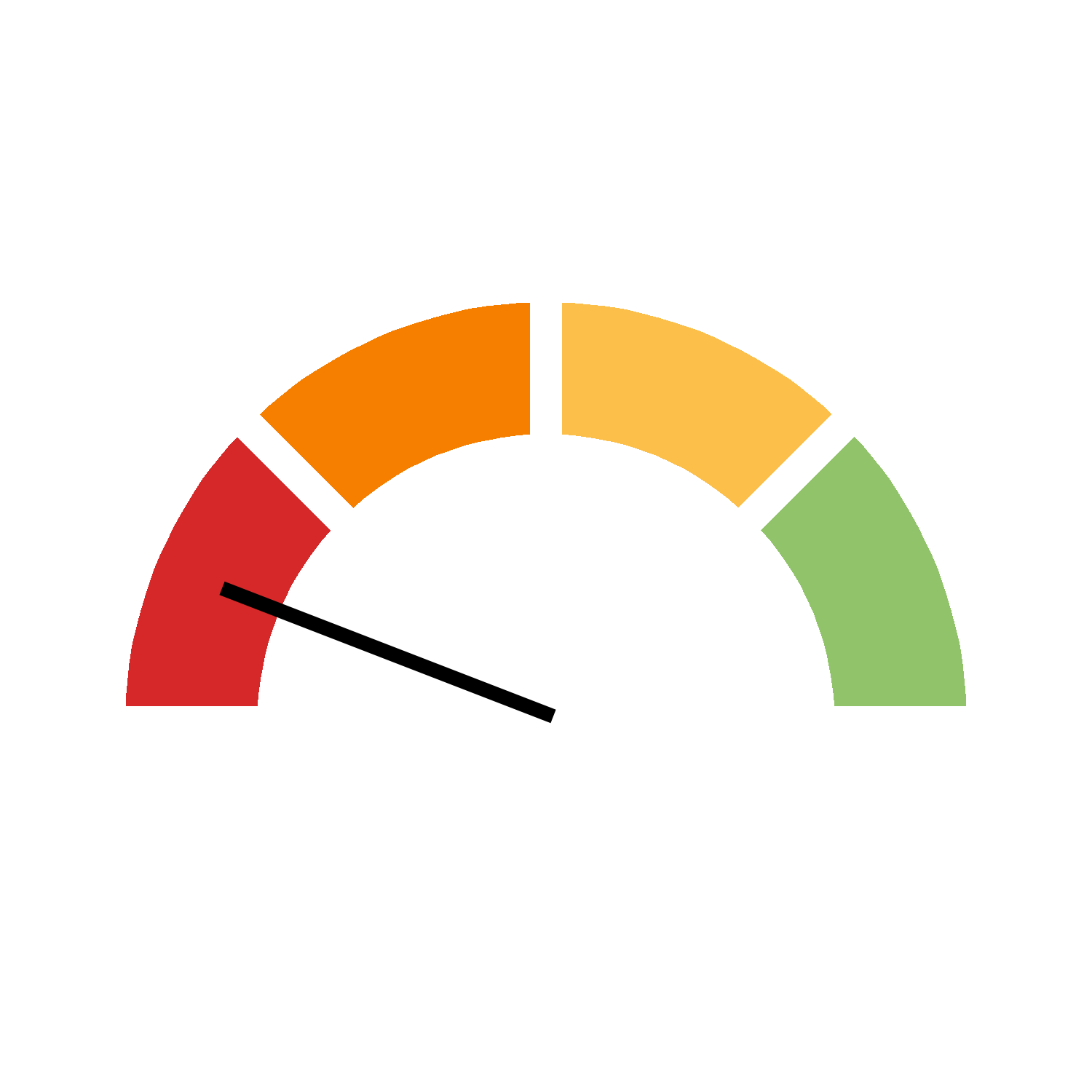
Progress status
Deterioration
Download source data (.csv)
Download source data for disaggregations (.csv)
No headline data available
| Indicator description |
The indicator measures the share of people aged 25 to 64 who stated that they received formal or non-formal education and training in the four weeks preceding the survey (numerator). The denominator consists of the total population of the same age group, excluding those who did not answer the question ‘participation in education and training’. Adult learning covers job-related and non-job-related formal and non-formal learning activities. It usually refers to learning activities after the end of initial education. |
|---|---|
| Data source and methodology |
Indicator is used to monitor progress towards SDG 4 on quality education, which is embedded in the European Commission’s Priorities under ‘Supporting people, strengthening our societies and our social model’ and ‘A new plan for Europe’s sustainable prosperity and competitiveness’. The Council of the European Union on 26 February 2021 adopted the Resolution on a strategic framework for European cooperation in education and training towards the European Education Area and beyond (2021–2030), a framework that addresses five strategic priorities: (1) Improving quality, equity, inclusion and success for all in education and training; (2) Making lifelong learning and mobility a reality for all; (3) Enhancing competences and motivation in the education profession; (4) Reinforcing European higher education; and (5) Supporting green and digital transitions in and through education and training. |
| Coverage and comparability |
Adult learning covers the longest period in a person’s learning lifetime. It includes improving and developing skills, adapting to technological developments, advancing a person’s career or aiding their return to the labour market (upskilling and reskilling). Moreover, it is crucial for maintaining good health, remaining active in the community and being fully included in all aspects of society. The indicator is included in the Social Scoreboard for the European Pillar of Social Rights. |
| EU context and objectives |
The long-term objective for this indicator is a value of 28. |
Source 1
| Organisation |
ESS (EU-LFS) |
|---|---|
| Link to data source | Link opens in a new window |