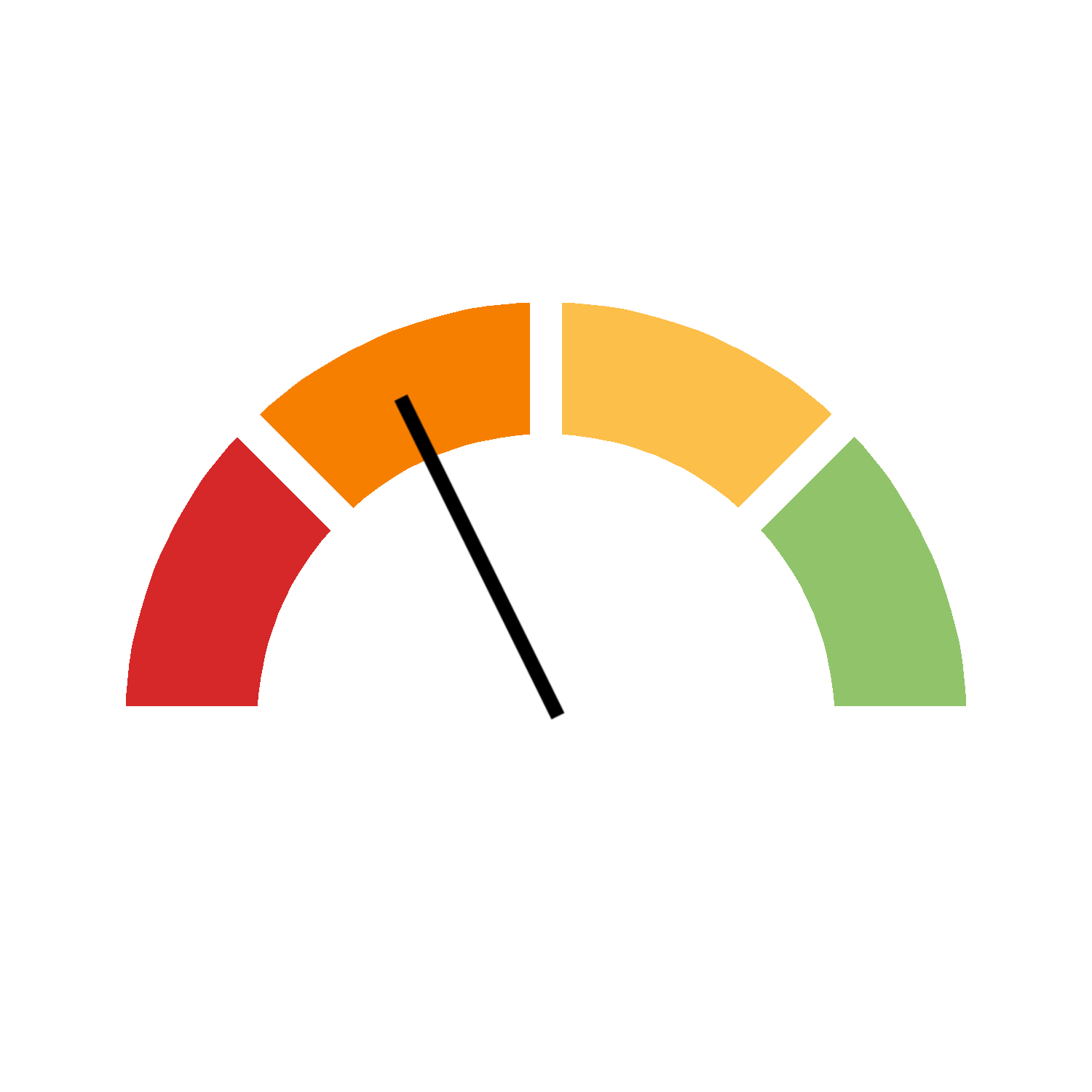
Progress status
Limited progress
Download source data (.csv)
Download source data for disaggregations (.csv)
No headline data available
| Indicator description |
This indicator measures the share of people aged 16 to 74 who have at least basic digital skills. It is a composite indicator based on selected activities performed by individuals on the internet in specific areas: information and data literacy, communication and collaboration, digital content creation, safety and problem solving. The indicator assesses digital skills classified into six levels, of which the two highest constitute the basic or above basic level of digital skills. The indicator is based on data from the EU survey on the use of ICT in households and by individuals. |
|---|---|
| Data source and methodology |
Indicator is used to monitor progress towards SDG 4 on ensuring inclusive and quality education for all which is embedded in the European Commission’s Priorities under ‘A new plan for Europe’s sustainable prosperity and competitiveness’, ‘Supporting people, strengthening our societies and our social model’ and ‘Protecting our democracy, upholding our values’. |
| Coverage and comparability |
SDG 4 seeks to ensure people have access to equitable and quality education through all stages of life, as well as to increase the number of young people and adults who have the relevant skills for employment, decent jobs and entrepreneurship. The goal also envisages the elimination of gender and income disparities in access to education. Digital skills are of critical value for working, learning and social interaction. |
| EU context and objectives |
The European Pillar of Social Rights Action Plan and the 2030 Digital Compass: the European way to the Digital Decade set a target for the EU to raise the share of people aged 16 to 74 who have at least basic digital skills to 80 % in 2030. |
Source 1
| Organisation |
ESS (ICT survey) |
|---|---|
| Link to data source | Link opens in a new window |